
Power Solutions · Stanol Myanmar
Power solutions built around your site
Businesses in Myanmar carry two power problems at once: electricity is a real operating cost, and grid supply cannot always be relied on. Our engineers start from how your site actually runs, then propose only the equipment it needs.
01 · Approach
Sized and phased to your operation
Not every site needs a hybrid system. We size and phase each proposal to your actual equipment, critical loads, typical outage duration, business needs and budget, so you can start with what matters most and add capacity later if it makes sense.
- Solar PVCan offset daytime grid or fuel use and reduce operating cost where the load profile and site suit it.
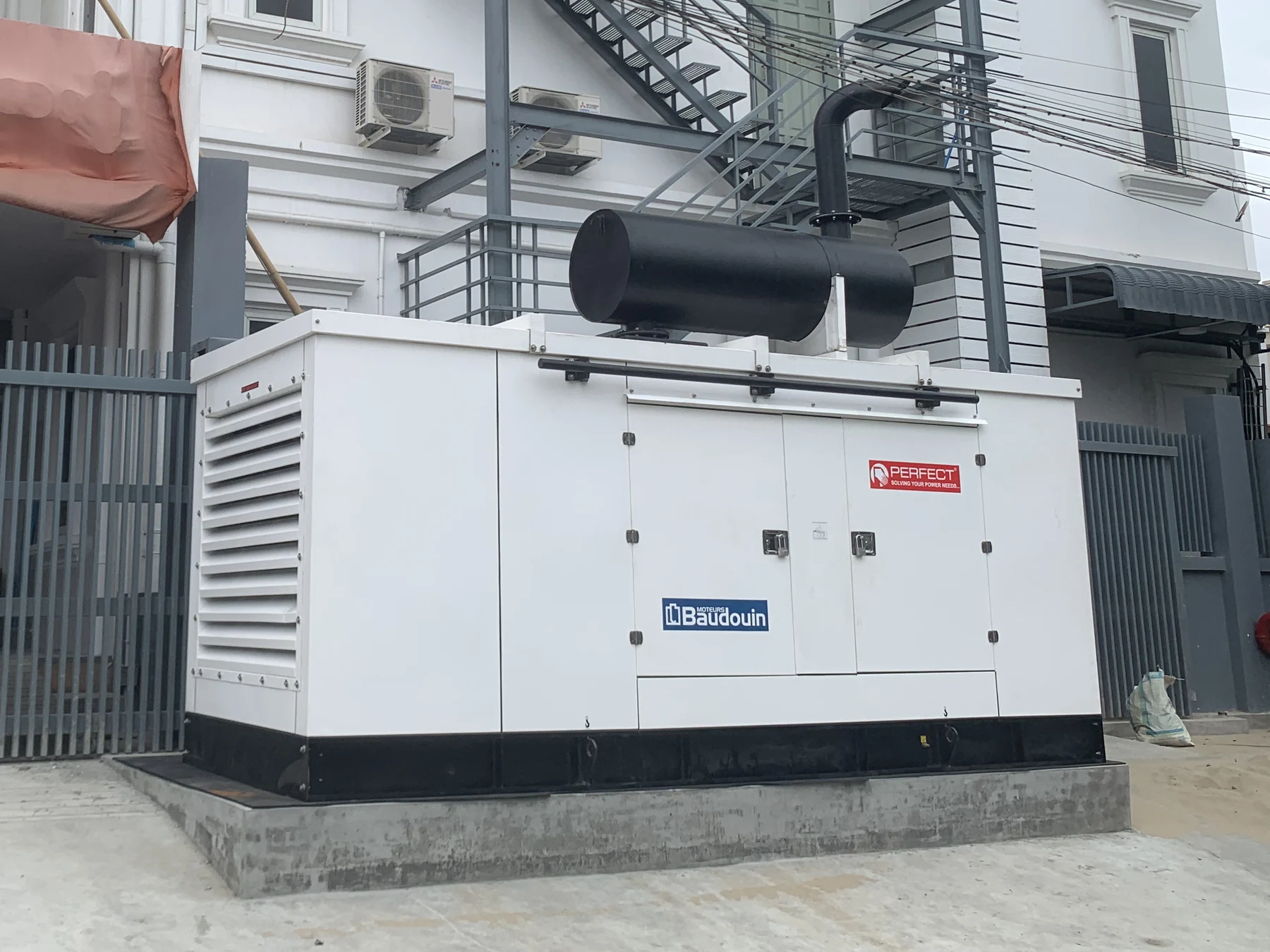
- Standby generatorSupports priority loads through grid outages, sized to start-up demand and runtime.
- Energy storageConsidered where the required runtime and budget justify it, not added by default.
02 · How we work
Six steps from survey to service
- 01
Site survey
Survey the site and the existing supply.
- 02
Load calculation
Identify essential loads, start-up demand and required runtime.
- 03
System design
Compare solar, standby generator and storage where suitable.
- 04
Quotation
Show equipment, scope, options and budget.
- 05
Installation & commissioning
Install, test and hand over.
- 06
After-sales service
Provide preventive maintenance, troubleshooting and spare-parts support as applicable.
03 · Real installations
Work on the ground
Two separate projects, shown individually.
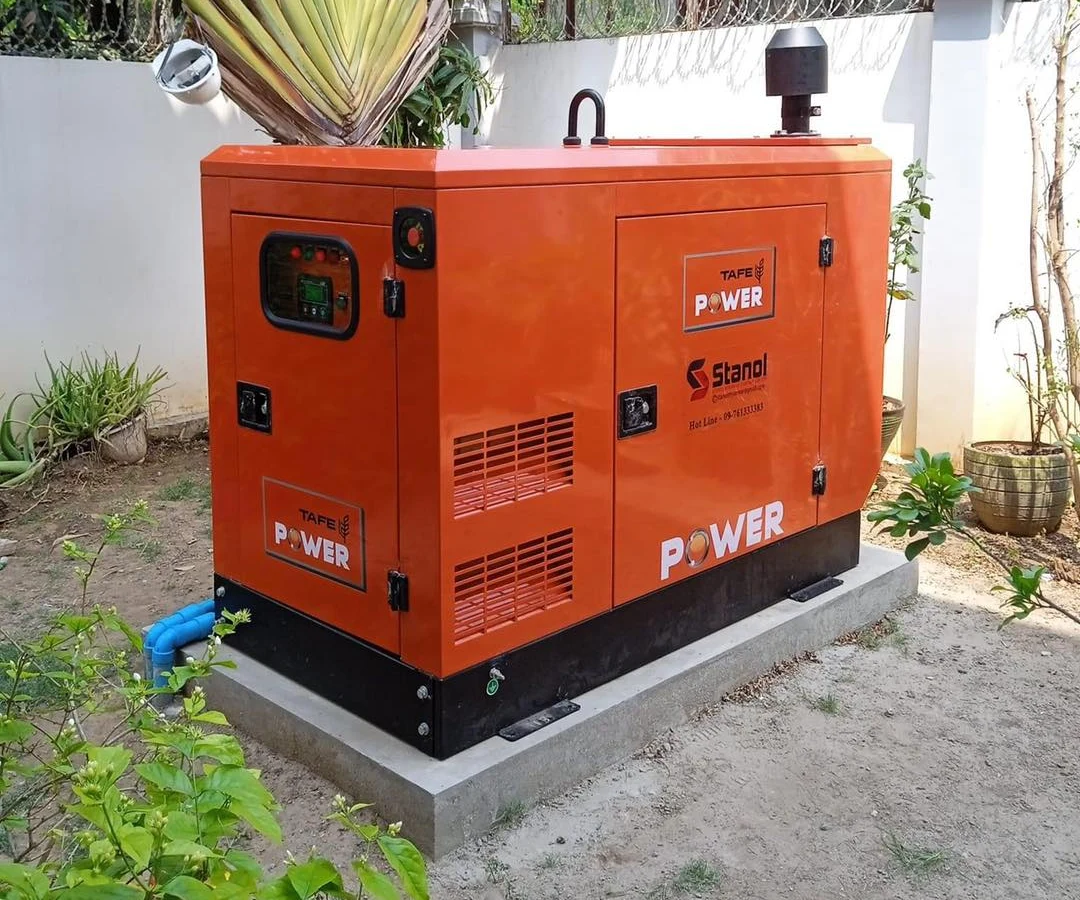
Standby generator
Generator installation reference
Power/DG projects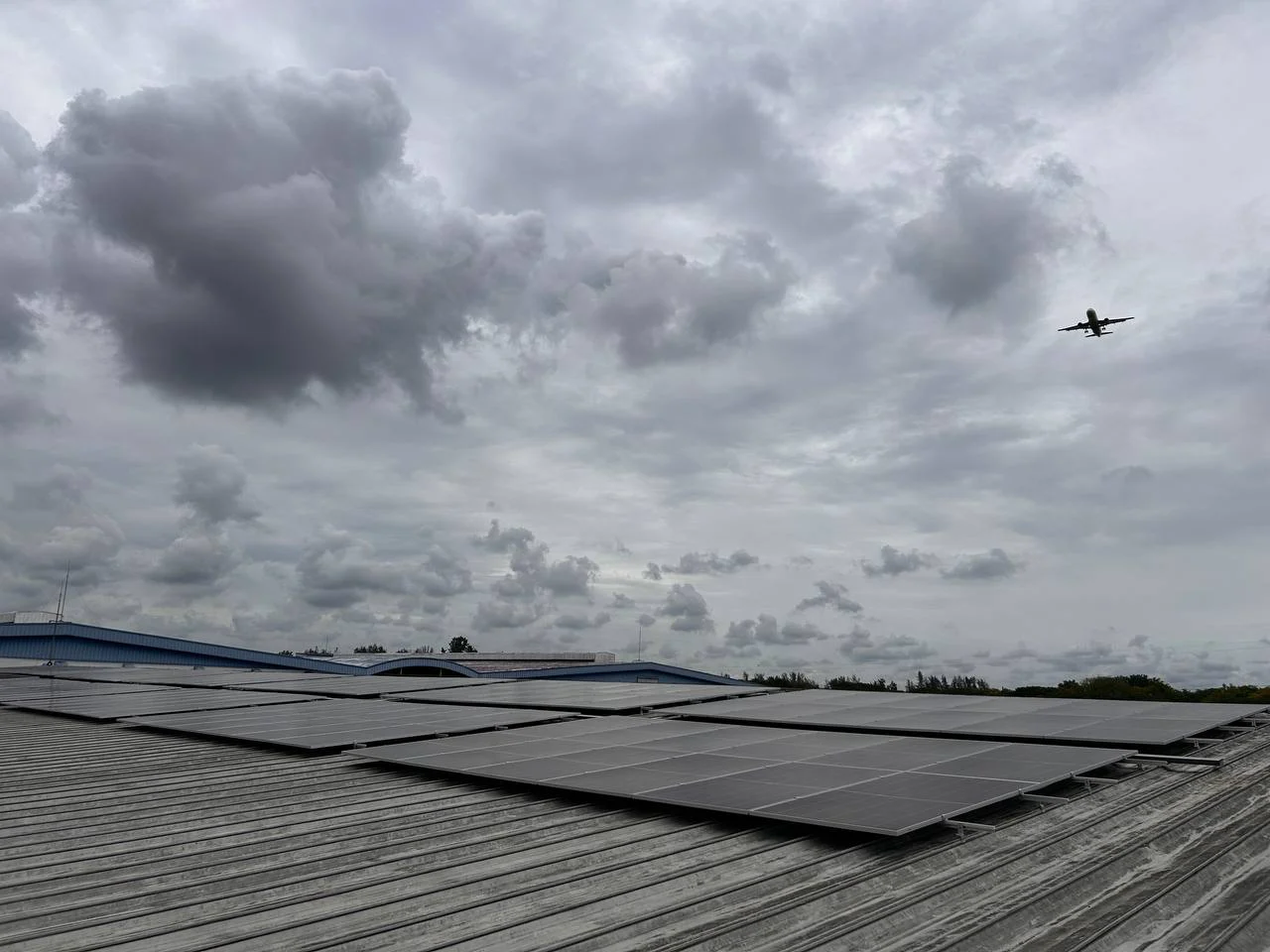
Rooftop solar + storage
IIDA-IMM, Yangon, Myanmar
124.8 kWp solar PV · 286 kWh BESS
View case studyExplore equipment and services
- Diesel generatorsTAFE Power and Perfect Baudouin showrooms.
- Portable generatorsFive categories with individual model specifications.
- Solar & storagePanel, battery and engineered system requirements.
- Generator rentalPrepare a temporary-power enquiry.
- After-sales servicesInstallation, maintenance and equipment support.
Tell us how your site runs
Share your loads, outages and budget. An engineer will follow up.